
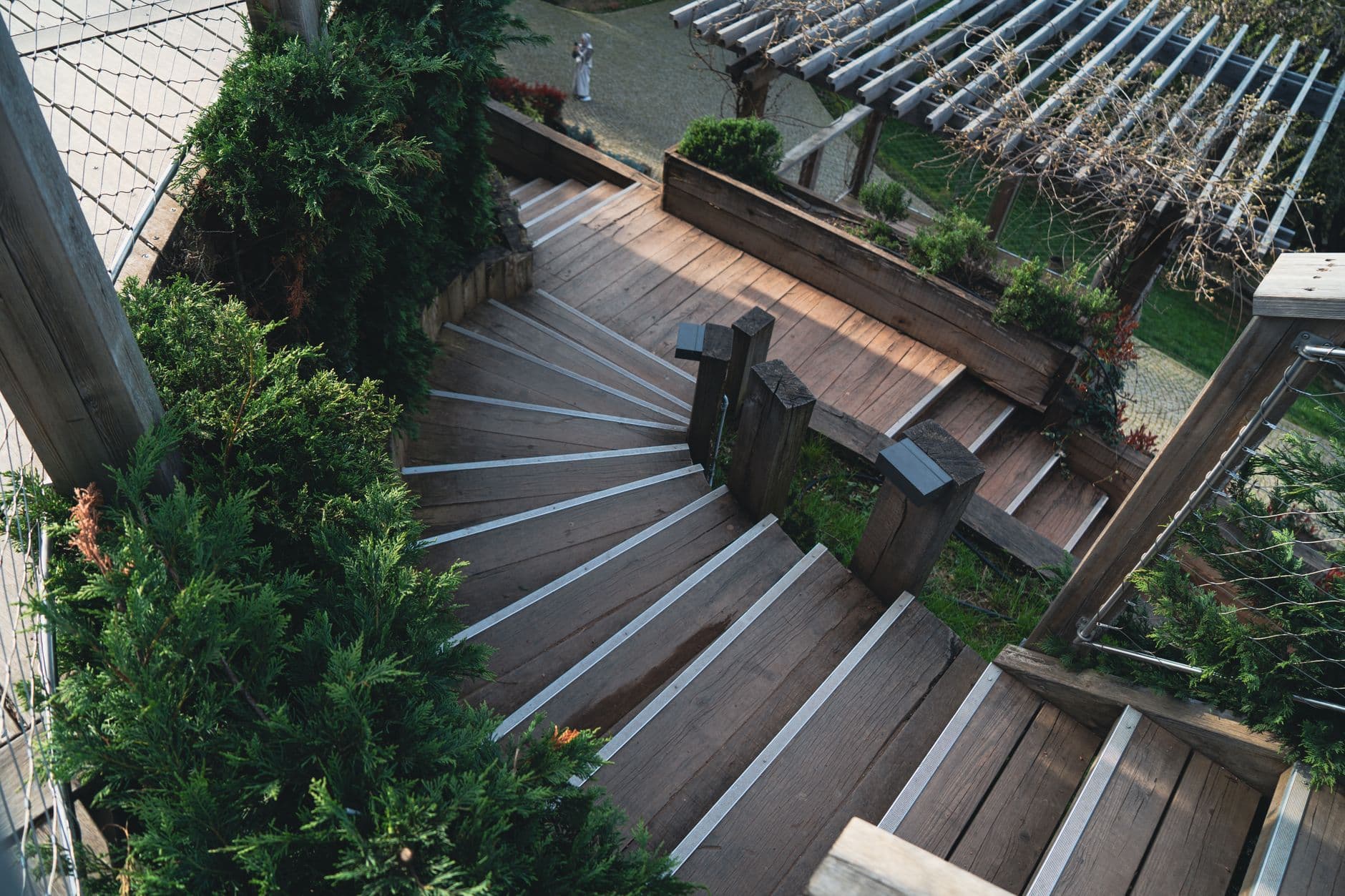
Why Portland Winters Are Hard on Wood Decks
If you've lived in the Portland metro area for more than a season, you already know what the weather does to everything left outside. We're talking months of persistent moisture — not dramatic storms, just that relentless gray drizzle that soaks into everything slowly and thoroughly. For wood decks, that kind of prolonged dampness is far more damaging than a single heavy rainstorm.
Water works its way into the wood grain, freeze-thaw cycles (yes, even in Portland) cause boards to expand and contract, and algae and mildew find a comfortable home on any surface that doesn't drain well. Left unchecked, this cycle leads to soft, spongy boards, popped fasteners, and eventually rot that goes deeper than the surface. The good news is that most of this is preventable with some straightforward seasonal maintenance.
Start with a Proper Inspection
Before you clean or seal anything, take an hour to actually look at your deck. A lot of homeowners skip this step and end up sealing over problems that will only get worse underneath.
Walk the entire deck and pay attention to:
Soft or spongy boards — Press down with your foot or poke with a screwdriver. Solid wood resists; rotting wood gives. If a screwdriver sinks in more than a quarter inch without much pressure, that board needs to go.
Cracks and splits — Small surface cracks are normal and can be sealed. Deep splits that run through the board trap water and accelerate decay.
Raised nails or popped screws — These are both a tripping hazard and a sign the wood has been swelling and shrinking with moisture.
Dark staining or fuzzy growth — Black or green discoloration usually means mildew or algae has taken hold.
Ledger board and posts — These structural connections are where deck failures often start. Check where the deck attaches to the house and look for any soft spots at the base of support posts.
Catch problems early and you're looking at minor repairs. Miss them and you may be dealing with a structural issue that costs thousands to fix.
How to Clean Your Deck the Right Way
Once you've done your inspection and handled any repairs, cleaning comes next. In the Pacific Northwest, you're usually dealing with a combination of algae, mildew, dirt, and tannin stains — all of which need to come off before you apply any sealant or stain.
Avoid going straight to the pressure washer. It's tempting, but high pressure can raise the wood grain, damage softer boards, and blast water deep into areas you don't want wet. If you do use one, keep it at a lower PSI setting (around 1200–1500) and hold the wand at least 12 inches from the surface, moving with the grain.
A better approach for most residential decks:
Sweep off debris and clear out anything trapped between boards
Apply a deck cleaner or oxygen bleach solution (avoid chlorine bleach — it breaks down wood fibers over time)
Scrub with a stiff-bristle brush, working with the grain
Rinse thoroughly and let the deck dry completely — in Portland, that means waiting for a dry stretch of at least 48–72 hours before moving on
Proper drying is non-negotiable. Sealing damp wood traps moisture inside, which is exactly the problem you're trying to prevent.
Choosing and Applying the Right Sealant
Walk into any hardware store and you'll find a wall of deck products. Here's a simple way to think about it:
Clear sealers protect against moisture but offer no UV protection and typically need reapplication every year
Semi-transparent stains are a good middle ground — they let the wood grain show through while adding both moisture and UV protection, usually lasting 2–3 years
Solid stains provide the most protection and longevity but hide the natural wood look entirely
For most Portland-area decks, a semi-transparent penetrating oil stain is a solid choice. It soaks into the wood rather than forming a film on top, which means it won't peel — it just weathers gradually and is easier to recoat.
Apply with a brush or roller on a dry day with mild temperatures. Avoid applying in direct sun (the product dries too fast) or when rain is forecast within 24 hours. Two thin coats generally work better than one heavy coat.
When to Call Someone Instead of DIYing
Cleaning and sealing a deck is genuinely doable as a weekend project. But there are situations where it makes more sense to bring in help:
You've found soft boards or structural damage that needs to be repaired before sealing
The deck hasn't been maintained in several years and needs significant prep work
You're not comfortable working around ledger boards or structural connections
You simply don't have the time before summer gatherings
The team at EVN Handyman handles deck maintenance, staining, and minor repairs across the Portland metro area, including Vancouver, Beaverton, and Hillsboro. If you're not sure whether your deck needs professional attention or just a good cleaning, a quick call to (503) 422-0863 can help you figure that out without any pressure.
A Simple Maintenance Schedule to Follow
Staying ahead of deck wear doesn't require a lot of effort — it just requires consistency:
Every spring: Inspect, clean, and reseal if water is no longer beading on the surface
Every fall: Clear debris from between boards and apply a quick rinse to remove mildew before the rainy season sets in
As needed: Tighten or replace popped fasteners, spot-treat any new mildew growth
The water bead test is your best ongoing indicator — pour a small cup of water onto the deck. If it soaks in, it's time to reseal. If it beads up, you're still protected.
Portland's wet climate means your deck needs more attention than it might in drier parts of the country. But a few hours of maintenance each year will keep it solid, safe, and looking good for a long time.