
A single soft or spongy deck board isn't always an emergency—but it can be. The real risk is that deck boards can look fine on the surface while being structurally compromised underneath, and a board that holds your weight today might not tomorrow. Knowing how to physically evaluate each board gives you a much clearer picture of what's safe to leave, what needs repair, and what to replace before someone gets hurt.
Start With Your Eyes, Then Use Your Hands
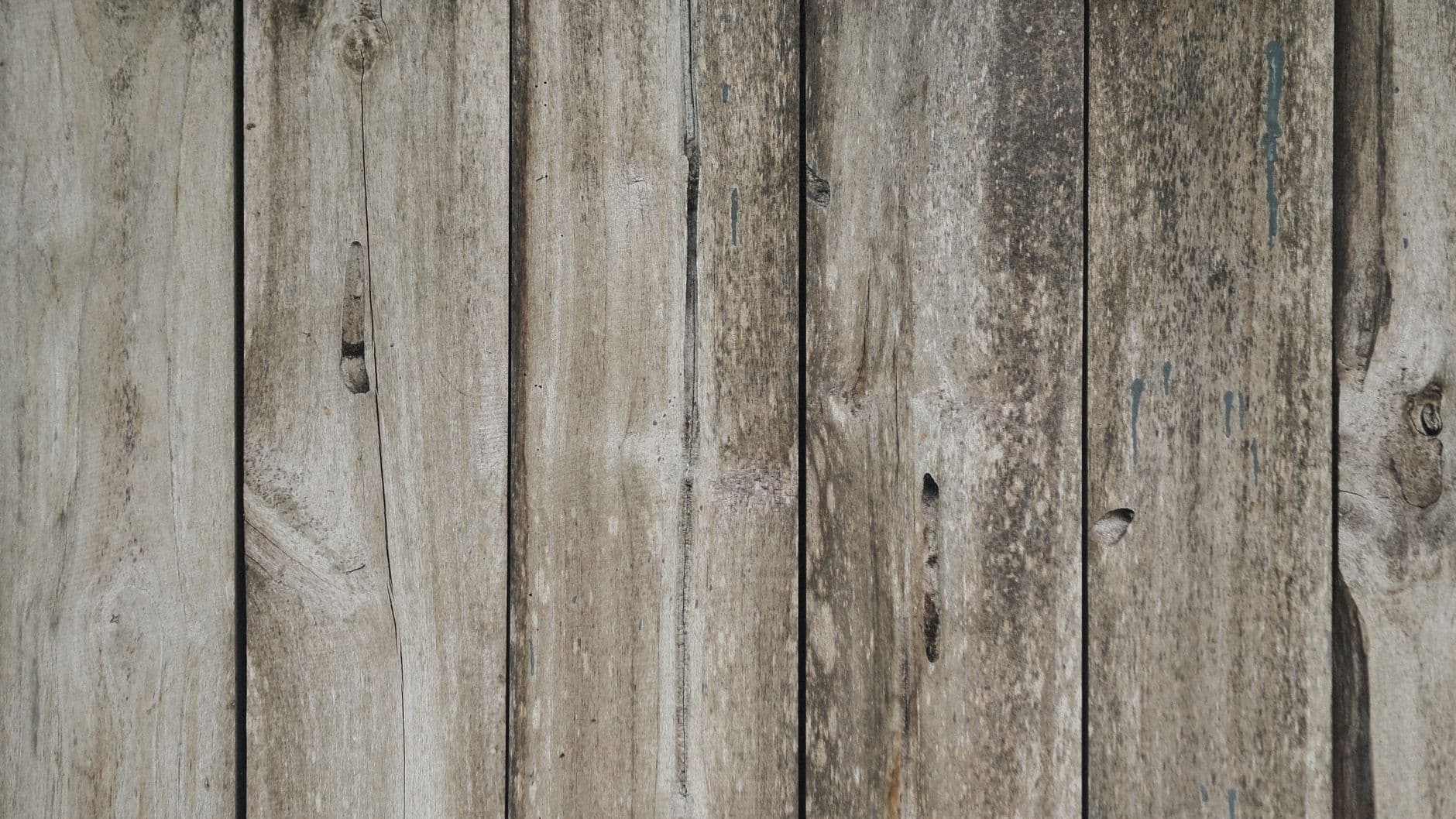
Walk the deck slowly and look for obvious visual warnings: gray or dark-stained wood that's pulling away from fasteners, boards cupping upward at the edges, deep cracks running along the grain, or any visible discoloration that suggests standing moisture. Surface graying is normal weathering, but dark brown or black patches—especially in low spots or near posts—often indicate rot has already started.
After the visual check, get physical. Press your thumb firmly into any area that looks questionable. Healthy wood resists pressure and feels firm. Soft, spongy, or crumbly wood means decay has broken down the wood fibers. If your thumb sinks in at all, that board has lost structural integrity and needs to come out.
A screwdriver probe is more reliable than your thumb for deeper assessment. Push the tip into the wood grain with moderate pressure. Sound wood won't give. If the screwdriver penetrates easily or the wood crumbles around the tip, the rot likely extends deeper than the surface. Pay particular attention to board ends, the areas around fasteners, and anywhere a board sits directly over a joist.
Walking the Board: What Movement Tells You
Bounce lightly on each board while watching for flex. Some minimal movement is normal—decking boards aren't rigid slabs. But a board that deflects noticeably underfoot, makes a hollow sound, or shifts side to side when you push it with your foot may not be adequately supported. That can mean the board itself has failed, or it can mean the joist beneath it is compromised.
This distinction matters. A rotted board sitting on a solid joist is a straightforward replacement. A board sitting on a rotted joist is a different problem—one that affects the deck's structure, not just its surface. If multiple boards in the same area show flex or the joist below feels soft when probed from beneath, that work goes beyond board replacement and involves structural repair.
What Can Be Repaired vs. What Should Be Replaced
Surface checking and minor splintering don't automatically mean a board needs to go. Shallow cracks along the grain are a normal result of weathering and can often be sanded smooth or left alone if the wood is otherwise solid. Splintering on the top face—common on older pressure-treated pine—can sometimes be addressed with sanding and a penetrating exterior deck finish.
Replace a board when:
The screwdriver probe test shows rot or soft spots anywhere along its length
The board has cracked through its full thickness
Fasteners are pulling out because the wood no longer holds them
The board has warped so severely it creates a tripping hazard or won't lie flat
Keep in mind that in the Pacific Northwest, wood decks tend to experience accelerated moisture damage compared to drier climates. Extended wet seasons give water more opportunities to work into end grain, fastener holes, and low spots—which is why seemingly small soft spots sometimes indicate more extensive decay underneath once a board is pulled.
When to Call a Professional
Replacing an isolated board or two is a manageable DIY project if you're comfortable with basic tools. You'll need to match the board species and thickness, use exterior-rated or stainless fasteners, and make sure the new board is properly supported at each joist crossing.
The job changes scope quickly when the rot involves joists, ledger boards, or posts. Structural framing repairs require a more thorough evaluation of the whole assembly, and mistakes in that area directly affect whether the deck is safe to use. If probing reveals soft wood below the decking surface, or if the deck has visible sag or bounce across a wider area, that's a good point to have a professional take a look before adding new boards on top of a compromised frame.
EVN Handyman handles deck board repair and replacement throughout the Portland metro area if you'd prefer to have someone assess and do the work for you.
One Practical Note Before You Buy Replacement Boards
Don't assume a replacement board will match your existing deck exactly. Pressure-treated lumber sold today often differs in treatment type and sometimes dimension from boards installed five, ten, or fifteen years ago. Bring a sample or measurements when you shop, and allow new pressure-treated boards to dry before applying any stain or sealer—finishing wet lumber traps moisture and can cause premature peeling.