
Plumbers vs. Handymen: What's the Actual Difference?
In Oregon, a licensed plumber is required for new plumbing installations, anything involving gas lines, and work that requires permits — like adding a new bathroom, relocating pipes, or installing a water heater from scratch.
A handyman can handle repairs, replacements, and minor fixes on existing plumbing systems. In practice, this covers the majority of plumbing calls homeowners make — at a significantly lower rate than a licensed plumber charges for the same work.
Handyman Territory: Faucet Replacement
Replacing a kitchen or bathroom faucet — whether it's dripping, broken, or just outdated — is a standard handyman job. It involves shutting off the supply valves under the sink, disconnecting supply lines and drain, swapping the faucet, reconnecting everything, and testing for leaks. It takes 45–90 minutes depending on accessibility.
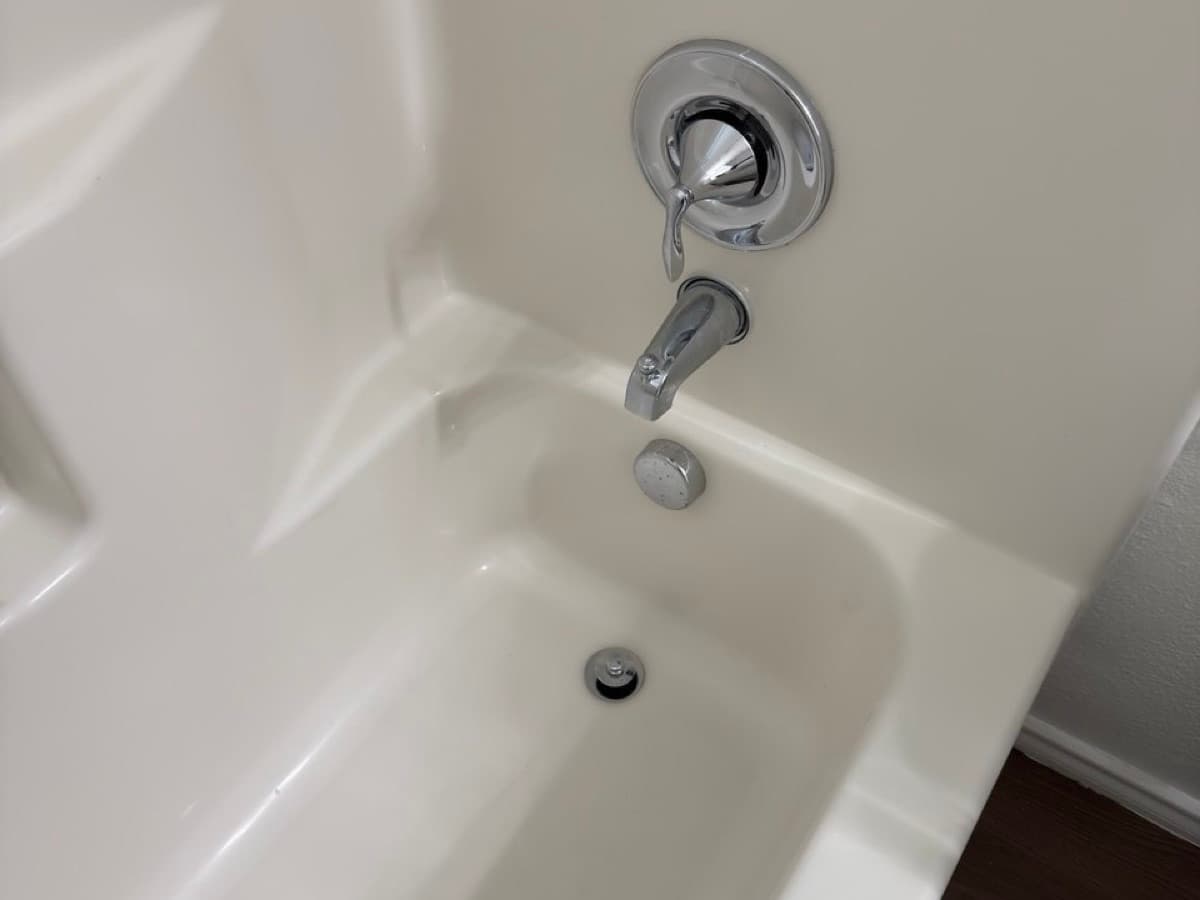
The same applies to bathtub faucet sets, utility sink faucets, and outdoor hose bibs.
Handyman Territory: Running Toilets and Flapper Valves
A toilet that runs constantly is almost always a worn flapper or a faulty fill valve — both replaceable for under $20 in parts and 30 minutes of work. We've seen homeowners live with a running toilet for months assuming it needed a plumber. It almost never does.
The same is true for toilets that don't flush fully, toilets that rock (usually a wax ring replacement), and toilet handles that need adjustment.
Handyman Territory: Under-Sink Repairs
Leaks under the kitchen or bathroom sink — from drain connections, the P-trap, supply lines, or shutoff valves — are typically straightforward repairs. P-traps can be replaced in 20 minutes. Supply line replacements take similar time.
Garbage disposal installation and replacement falls here too: it's a combination of plumbing (drain connection) and basic electrical (outlet or wiring connection), and an experienced handyman handles both.
Handyman Territory: Appliance Hookups
Installing a new dishwasher involves connecting the water supply, the drain line, and the electrical connection. Hooking up a washer/dryer, connecting a refrigerator water line, or installing an ice maker line — these are connections to existing supply points, not new plumbing runs. They're handyman work.
Call a Licensed Plumber For:
Water heater installation. In Oregon, replacing a water heater requires a permit and must be done by a licensed plumber. This is a safety code requirement — water heater failures cause significant property damage and carbon monoxide hazards.
Any work behind walls. If fixing a leak requires opening a wall, rerouting a pipe, or accessing the main supply line, you're in licensed plumber territory. This includes leak detection when the source isn't visible.
Sewer line issues. Slow drains throughout the house, sewage backup, or gurgling sounds from multiple drains at once indicate a sewer line problem. This requires camera inspection and potentially hydro-jetting or pipe repair — all licensed work.
New plumbing additions. Adding a bathroom, moving a sink, or adding a wet bar involves permit work and licensed installation.
The Simple Rule
If it's a repair or replacement on an existing fixture at its existing location, it's usually handyman work. If it involves new pipe runs, permits, or safety systems, call a plumber. When you're not sure, describe the situation over the phone — EVN Handyman will tell you honestly whether it's something we can handle or whether you need a different trade.