
What Portland Winters Do to Your Home
Portland's winters are long, wet, and dark. From October through April, your home absorbs six-plus months of rain, frost, wind, and occasional ice. Most of that stress isn't visible until spring, when you finally have the daylight and dry weather to actually look around.
The good news: most of what Portland winters cause is fixable while it's still minor. The bad news: minor problems become major ones quickly when they're left through another wet season. Here's what to check every spring.
Exterior: Walk the Perimeter First
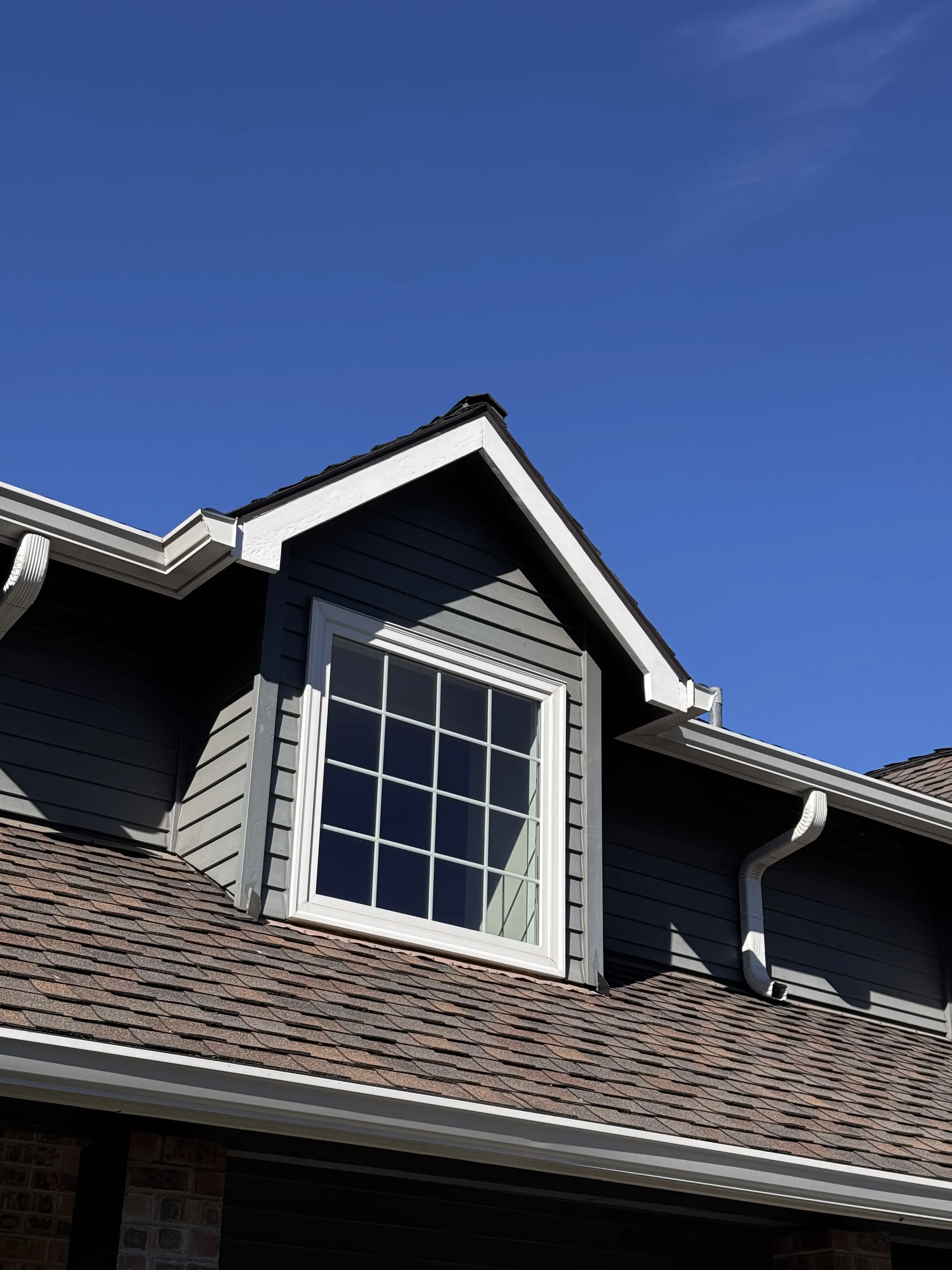
Gutters and downspouts. Look for gutters pulling away from the fascia, sagging in the middle, or obviously clogged. Run water through each downspout and confirm it exits at least 3 feet away from the foundation. Downspouts that empty right at the foundation wall are a common cause of basement water intrusion.
Deck and fence condition. Do the water bead test: splash water on your deck and fence and watch whether it absorbs or beads up. Look for boards with significant checking (cracks along the grain), soft spots on the deck that flex underfoot, or fence posts that wobble at the base. Spring is the ideal time to stain and seal before summer UV adds to the damage.
Caulking around windows and doors. Look for gaps, cracking, or peeling caulk around all exterior window frames and door frames. This is a common entry point for both water and heat loss. Recaulking takes an hour per window and prevents significant moisture damage over time.
Foundation and grading. Walk the perimeter and check that the soil slopes away from the house. Negative grade (sloping toward the house) channels rainwater directly toward your foundation and is one of the most common causes of basement flooding in older Portland homes.
Interior: Quick Checks That Catch Big Problems Early
Bathroom caulking. Check the caulk lines around your tub, shower, and sink basin. Look for gaps, cracks, or mold that keeps returning. Portland's high indoor humidity during winter heating season means bathrooms that aren't well-sealed develop moisture problems faster.
Under every sink. Open the cabinet under every sink in the house and look for water stains on the cabinet floor, soft material, or any active drips at supply line connections or drain fittings. Small leaks are easy and inexpensive to fix early, and expensive to fix after they've damaged the cabinet and subfloor.
Windows and door operation. Check that every window opens and closes cleanly with intact seals. Check that exterior doors seat fully in their frames — no visible gaps at the top, sides, or door sweep. Doors that stick or have visible gaps add meaningfully to heating and cooling costs.
Maintenance Worth Scheduling in Spring
Pressure washing. Moss and algae grow aggressively on Portland driveways, walkways, and siding during the wet season. Left through another winter, moss roots penetrate into concrete and composite surfaces and accelerate breakdown from the inside. A single pressure washing in spring removes the season's growth before it gets established again.
Window screen repair. If any screens are torn or bent from the winter, spring is the time to fix or replace them — before you need them open for summer ventilation.
Exterior paint touch-up. Look for peeling or cracking paint on trim, fascia boards, and siding. Small touch-ups in spring prevent larger repainting projects the following year. South-facing walls get the most UV exposure and usually show wear first.
What to Hire Out vs. DIY
The inspection part is entirely DIY — walk around your house with a notepad. The repair decisions are usually obvious once you're looking for them.
For the repairs themselves: pressure washing, deck staining, window screen replacement, caulking, and minor door adjustments are all jobs that a handyman can handle in a single half-day visit — often for less than the cost of renting the equipment to do it yourself.
EVN Handyman does spring maintenance visits across Portland Metro and Vancouver WA. Tell us what you found and we'll give you a straightforward estimate on what it'll take to fix.