
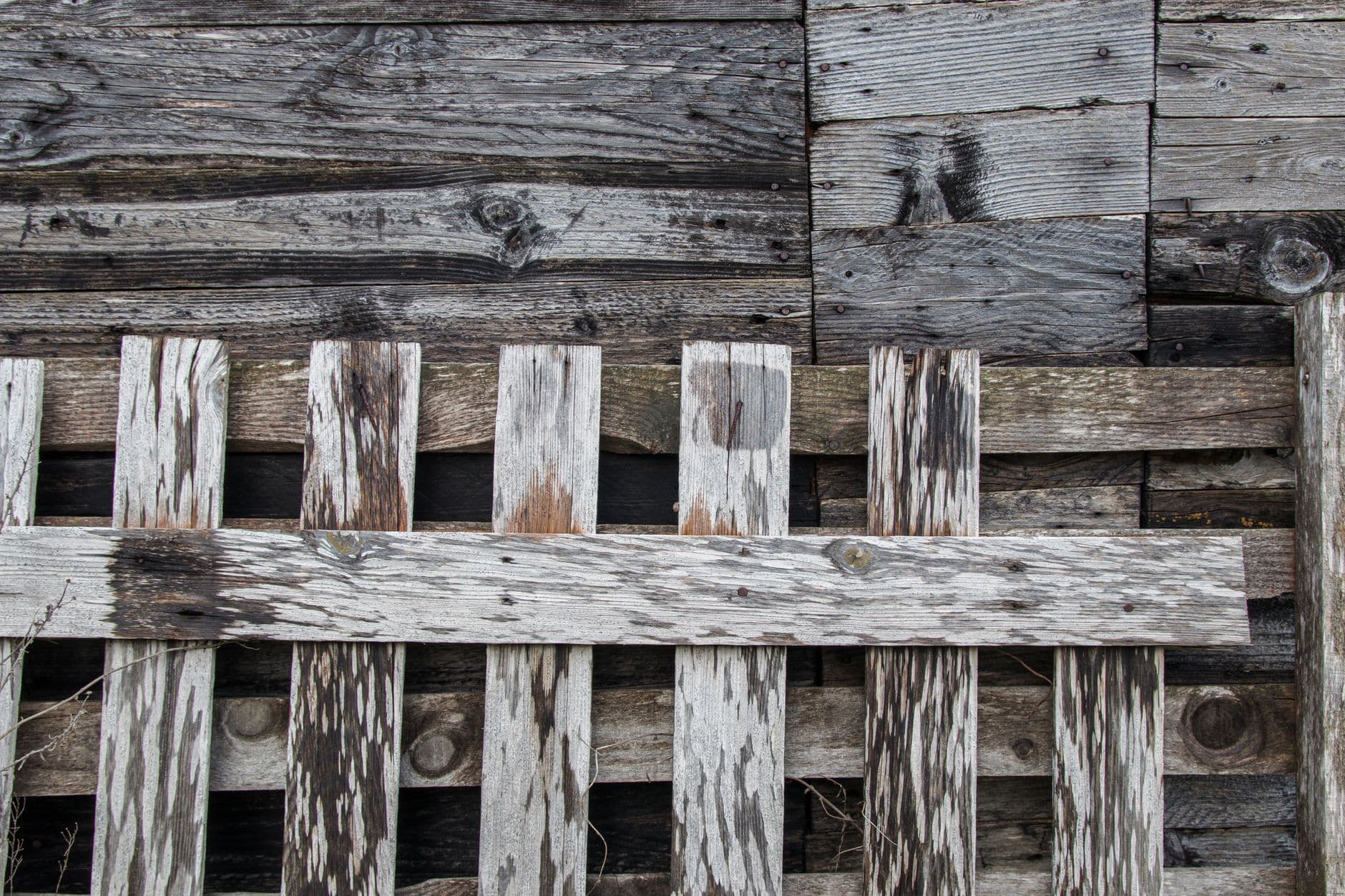
Not every damaged fence board needs to come down. In many cases, what looks like significant deterioration is actually surface-level damage that responds well to a targeted repair — and knowing the difference can save a meaningful amount of time and money.
Start With a Rot Test, Not Just a Visual Check
Appearance can be misleading. A board that looks weathered and gray on the outside may be structurally sound, while a board that looks only slightly discolored on the surface could be badly compromised beneath.
The most reliable quick test: press a screwdriver or a pointed awl firmly into the wood at any area that looks soft, dark, or spongy. Sound wood resists penetration. Rotted wood gives way with little pressure, and in severe cases the tool sinks in easily.
If the rot is shallow — surface decay that doesn't penetrate more than a quarter inch or so — the board is often a repair candidate. You can remove the deteriorated material, treat the area with a penetrating wood hardener, and fill it with an exterior-grade wood filler or epoxy wood repair product. Once cured, the repair can be sanded, primed, and painted or stained.
If the tool sinks in deeply, or if you find soft spots near the bottom rail where the board meets the post, the rot has likely compromised structural integrity. At that point, replacement is the practical call.
Cracks vs. Splits: Not the Same Problem
Surface checks and minor cracks along the grain are normal in exterior wood and don't indicate structural failure. Wood expands and contracts with moisture changes, and some checking is expected over time — particularly in the Pacific Northwest, where long wet periods followed by drier stretches cycle repeatedly through the year.
Checks and hairline cracks can typically be left alone or treated with an exterior wood sealant to slow further moisture intrusion.
What's different is a through-split — a crack that runs most of the length of the board and separates the wood into distinct sections that flex independently. A split board has lost its rigidity and will continue to fail. It also tends to catch wind and pull away from fasteners faster than surrounding boards. Replace it.
Check the Fasteners Before You Decide
A board that's pulling away from the fence rail isn't necessarily rotted — it may just have failed fasteners. Nails back out over time, especially in wood that's been through repeated moisture cycles. Screws hold better in this situation and are less likely to loosen with seasonal movement.
If the board itself is otherwise sound, simply re-fastening it with exterior-rated screws (coated or stainless to prevent rust streaking) is a legitimate and durable repair. Drive the new fastener slightly offset from the original hole, or use a slightly larger diameter screw if the original hole has widened.
If the board is loose AND showing rot where the original fastener went through, evaluate both issues together. A small, isolated rot pocket around a single nail hole is still often repairable. Rot that runs through the full width of the board near a rail connection means the fastener no longer has sound wood to grip, and the board should come down.
When Replacement Makes More Sense
A few situations where replacement is typically the better decision:
The board is warped badly enough that it won't lie flat against the rails even when refastened
Rot is present at multiple locations on the same board
The board has already been repaired once and is failing again in the same areas
The bottom of the board has deteriorated from ground contact and moisture wicking
One thing homeowners sometimes overlook: if several adjacent boards are showing similar damage, it's worth checking the fence rail or the post behind them. Damage that repeats across neighboring boards often means the rail itself is holding moisture and spreading decay. Replacing the boards without addressing the rail will result in the same problem returning.
Knowing When to Call a Pro
If you're working with one or two isolated boards, the repair process is manageable for a reasonably comfortable DIYer with basic tools. But if you find yourself pulling back siding, discovering post damage, or dealing with a run of failing boards that may affect fence structure, it's worth having someone assess the full situation.
EVN Handyman handles fence board repair and replacement throughout the Portland metro area if you'd prefer to have a professional take a look before committing to a fix.