
Exterior paint doesn't fail all at once. It gives you warnings — and catching those warnings before fall rains arrive means the difference between a straightforward spot repair and moisture damage that's worked its way into your siding or trim. If you're wondering whether your paint will hold through another wet season, here's what to actually look for.
The Warning Signs That Matter Most
Not every imperfection means your paint is failing. Small scuffs or faded color are cosmetic. These signs indicate a more serious problem:
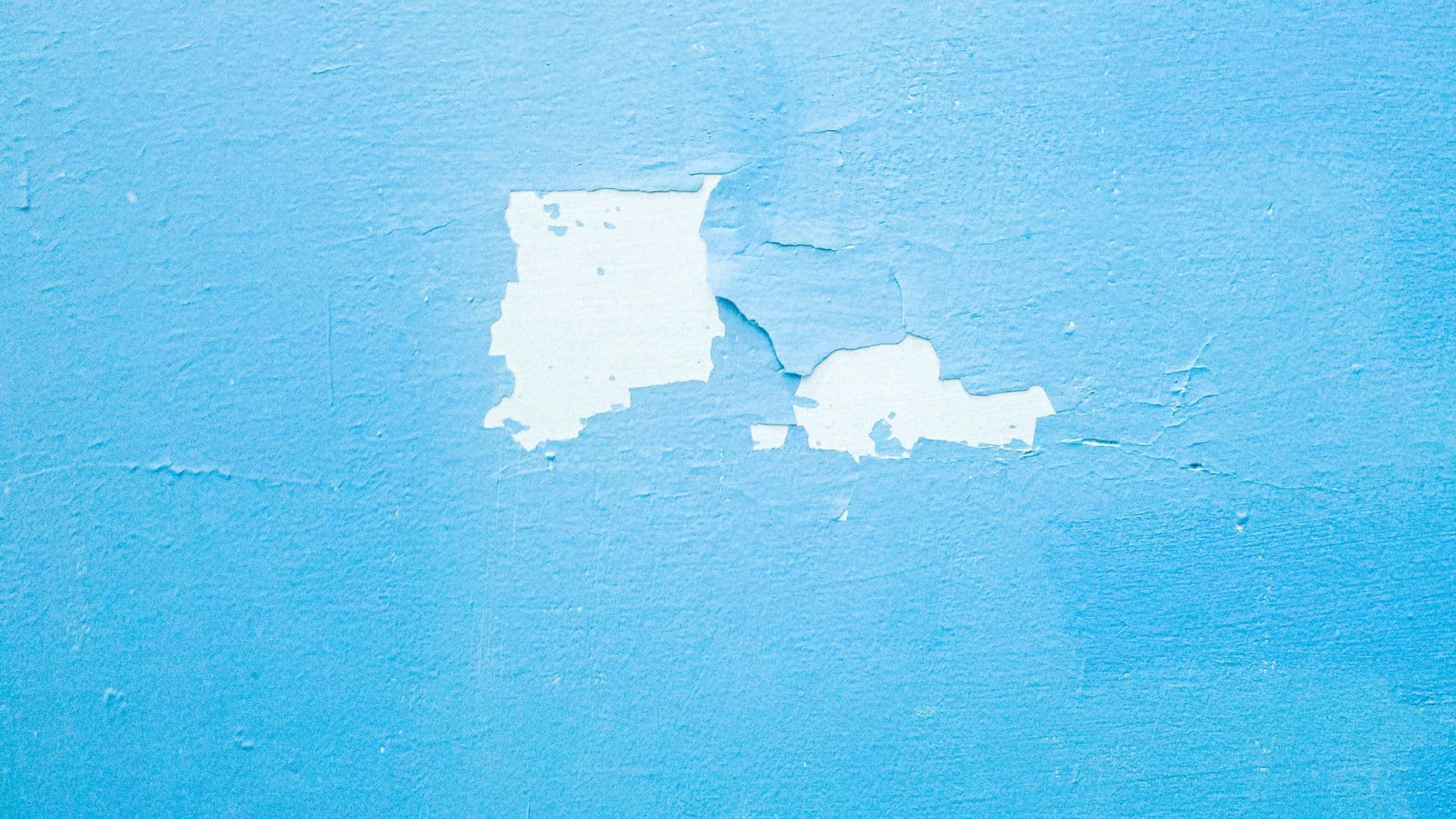
Peeling or flaking is the clearest indicator that the paint film has lost adhesion. If you can lift the edge of a flake with a fingernail, moisture is already finding a path through. Pay close attention to areas that get direct sun followed by shade — south and west exposures in particular see dramatic temperature swings that accelerate this breakdown.
Bubbling or blistering often means moisture is trapped beneath the paint surface, or that paint was applied to a surface that wasn't fully dry. Bubbles that are hard and hollow suggest an old failure; soft bubbles are a sign that moisture movement is still active.
Chalking is a powdery residue that comes off on your hand when you rub painted siding. Some chalking is normal on older paint as UV breaks down the binder, but heavy chalking means the film has significantly degraded and won't provide reliable moisture protection.
Cracking along caulk lines or seams deserves special attention. Paint often fails first at transitions — where trim meets siding, around window frames, at corner boards. If the caulk underneath is also cracked or pulling away, water can enter behind the paint surface, causing problems well beyond the visible area.
Why Paint Fails When It Does
Most exterior paint failure comes down to three overlapping causes: moisture, UV exposure, and application issues (painting over a dirty, wet, or incompatible surface).
In climates with extended wet seasons, wood siding goes through repeated cycles of absorbing moisture and drying out. Each cycle causes slight swelling and contraction. Over time, this stresses the paint film until it cracks or separates. Paint applied too thinly, in poor conditions, or without proper primer is going to lose that battle faster.
South and west-facing walls tend to fail faster because UV degrades the paint binder while heat accelerates moisture movement through the wood. North-facing walls stay damper longer, which creates a different type of failure — often mildew-related darkening along with peeling at lower courses where water collects and splashes back.
What Homeowners Often Get Wrong
The most common mistake is painting over failing paint without addressing the cause. Scraping back to a stable surface and applying a quality exterior primer matters more than the topcoat brand you choose. New paint applied over peeling or chalky paint will fail quickly regardless of its quality.
Another frequent issue is skipping failed caulk. Recaulking windows and trim seams is often what actually stops water intrusion — repainting without replacing deteriorated caulk addresses the symptom but not the source. Use an exterior-rated paintable acrylic latex caulk for most wood trim applications; 100% silicone is durable but harder to paint cleanly.
What You Can Reasonably Handle Yourself
Spot repairs on accessible, single-story areas are well within DIY range: scraping loose paint, sanding edges smooth, priming bare wood, and applying matched exterior paint. Matching color on weathered siding can be tricky, but most paint retailers can help you scan a chip for a close match.
If the failing areas are isolated — one trim board, one side of a window frame — targeted repair is practical and cost-effective. If you're finding damage across most of the wall surface, or if you're seeing soft or discolored wood beneath the paint, the job has moved beyond a touch-up into a larger prep and repaint project.
Working at height on two-story walls adds real risk and typically calls for professional help — not because the technique is complicated, but because ladder safety on uneven ground or near rooflines requires proper setup and equipment.
Making the Call Before Weather Sets In
If your paint is chalking heavily, peeling in more than scattered spots, or cracked along multiple seam lines, waiting until spring means a wet season's worth of moisture exposure to wood that's already poorly protected. The dry window in late summer and early fall is genuinely the right time to act — paint needs dry conditions to cure properly, and surface temperatures below about 50°F can interfere with adhesion.
If the scope is larger than you want to take on, EVN Handyman can help with exterior painting and prep work throughout the Portland metro area.